Ice or Heat for Back Pain? A Practical Guide Between Visits
Cold calms, heat loosens, and knowing which one to reach for can make the days between appointments easier.
October 16, 2026 · 4 min read
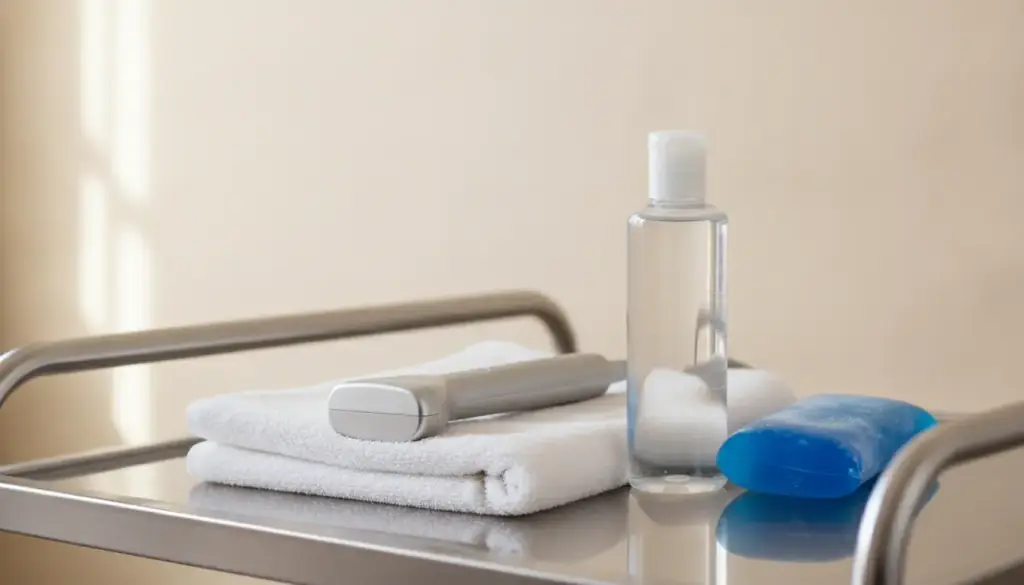
It's the question we hear most from patients in Tyler: my back hurts, should I put ice on it or a heating pad? The short answer is that both can help, just at different times and for different reasons. Here's the practical version.
When cold makes sense
Cold is usually the better pick for something new. If you tweaked your back yesterday, rolled an ankle, or woke up with a sharp, swollen, or hot-feeling area, cold is where to start. It narrows the blood vessels near the surface, which can limit swelling, and it numbs the nerve endings enough to take the edge off pain.
In our office, we use cryotherapy for the same reason: to calm irritated tissue, especially after an injury or a flare-up. At home, you don't need anything fancy.
- Use a cold pack or a bag of frozen peas wrapped in a thin towel, never directly on bare skin.
- Apply it for 10 to 15 minutes, then take it off for at least an hour.
- Repeat a few times a day during the first couple of days after an injury.
- Stop if the skin turns bright red, white, or starts to burn or ache.
A common mistake is leaving the ice on too long, thinking more is better. Longer isn't better. Too much cold can irritate the skin and tighten the muscles you're trying to calm. Set a timer so you don't doze off with a pack on your back.
When heat makes sense
Heat is better for stiffness and muscle tension that has been hanging around. If your low back feels tight after a long day on your feet, or your shoulders ache from hours at a desk, warmth can increase blood flow and help tight muscles relax. Many people find it feels good before gentle stretching, too.
A heating pad, a warm towel, or a warm shower works fine. Aim for about 15 to 20 minutes at a comfortable temperature, not scalding. Heat should feel soothing, never sharp.
Skip heat on anything that is freshly injured, swollen, or feels hot to the touch. Warmth can make swelling worse in that early window. Also be careful if you have diabetes, reduced feeling in your skin, or circulation problems, since you may not notice a burn. And don't fall asleep on a heating pad.
Heat pairs well with movement. After a few minutes of warmth, try slow, easy motions: gentle pelvic tilts on your back, a slow knee-to-chest stretch, or a short walk. Keep every movement inside what feels comfortable. You're trying to coax the muscles loose, not force them.
A simple rule of thumb
If it's new, swollen, or sharp, think cold. If it's old, stiff, or achy, think heat. Some people alternate, cold first to settle things and warmth later to loosen up. A hot Texas afternoon doesn't change the rule: even in summer, a swollen new injury still wants cold first. If you're not sure, try one for a short stretch and pay attention. The one that makes the area feel better afterward is usually the right one for you. If either makes the pain worse, stop.
Where therapeutic ultrasound fits
You may have heard of ultrasound for pregnancy, but therapeutic ultrasound is something different. It uses sound waves, too high-pitched to hear, passed through a small applicator with gel on your skin. The waves create gentle warmth deep in the muscle and soft tissue, below where a heating pad can reach.
That deeper warmth is why doctors use it on stubborn, tight areas before or alongside adjustments. It feels like mild warmth and nothing more. It isn't a standalone fix, and it works best as part of a plan that also includes movement and, when appropriate, adjustments. Think of it as the professional-grade cousin of the heating pad, and ask the doctor whether it makes sense for your area and your condition.
Other things that help between visits
Temperature is only part of it. Gentle movement is usually better than bed rest, so short walks around the block are a good idea. Change positions often if you sit for work, and get up at least once an hour. Sleep on your side with a pillow between your knees, or on your back with a pillow under your knees. Lift with your legs and keep heavy loads close to your body.
Some symptoms are not a reason to ice, heat, or wait. See a doctor promptly or go to the ER if you have numbness or weakness in a leg, loss of bladder or bowel control, fever along with back pain, or pain after a serious fall or accident.
Not sure what's going on with your back? Dr. James Smith and Dr. Justin Smith can examine you, work out what's driving the pain, and show you what to do at home. Call (903) 595-2664 to schedule your free consultation.
Tyler Chiropractic, 903-595-2664
Call 903-595-2664More articles
Your First Chiropractic Visit at Tyler Chiropractic, Step by Step
A walk through the history, exam, imaging, and report of findings so nothing about your first appointment is a surprise.
Whiplash After a Car Accident: Why It Can Show Up Days Later
Neck and back symptoms often arrive after the adrenaline fades, which is exactly why an early exam helps.