Cold therapy
Cryotherapy
Targeted cold for fresh strains and swelling, applied in the office and explained for home use between visits.
When cold is the better call than heat
Heat and cold get mixed up constantly, and picking the wrong one can slow a recovery down. Cold narrows the small blood vessels near the surface, dulls pain signals and limits the swelling that follows a fresh injury. That makes it the better choice for a strain or sprain from the last day or two, a neck tweaked by a sudden turn, or a back that locked up the morning after yard work. Heat does the opposite and invites more fluid into an area that is already puffy and tender.
Cold is also a sensible companion to chiropractic care when an area is irritated rather than simply stiff. A joint that feels hot, looks puffy or throbs after activity usually wants cold first. People of every age come through the office, from infants to seniors, and the heat versus cold question comes up often. Dr. James A. Smith and Dr. Justin M. Smith will tell you which one fits the problem in front of you, so you are not left guessing at home with a heating pad you may need to put away.
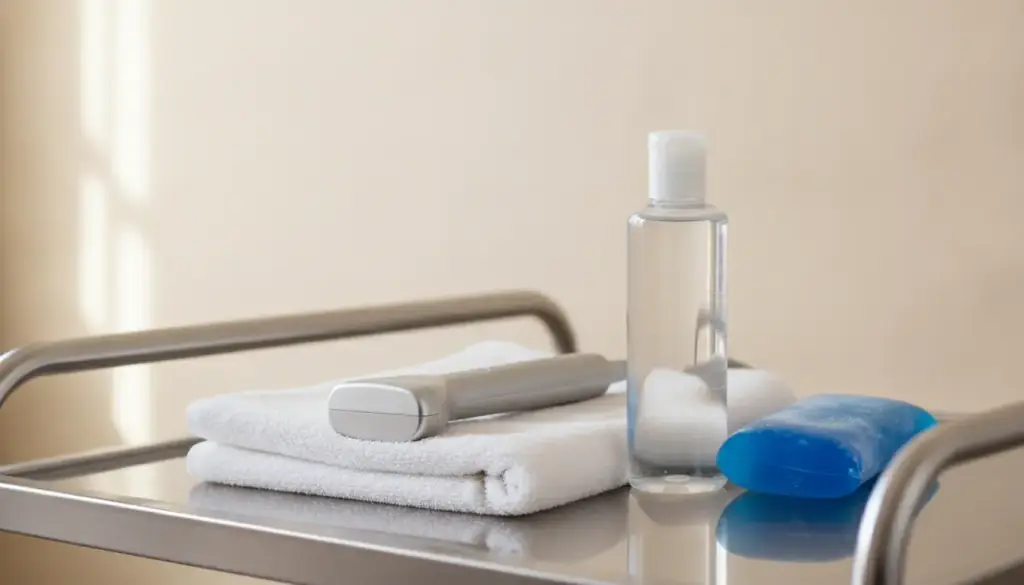
Blue cold gel pack beside a folded white towel on a steel cart
A cold pack, a towel, and a few steady minutes
In the office, cryotherapy is simple and deliberate. A cold pack is wrapped in a towel so it never rests on bare skin, then placed over the sore area while you settle into a comfortable position. The first minute is the least pleasant, a sharp cold that fades into numbness and then a dull, heavy feeling. That progression is normal and it is the sign the cold is doing its job. The doctor checks in on you rather than leaving you alone with a timer.
Sessions stay short because tissue needs only a limited dose of cold, and longer is not better. When the pack comes off, the skin may look pink and feel tingly as circulation returns. Cold is often used on a sore, reactive area after an adjustment, or beforehand when swelling is the main thing standing between you and a comfortable position on the table. Your doctor picks the timing from how the area looks and feels that day, not from a fixed routine.
What to do with a bag of frozen peas between visits
Cold works at home too, and a little technique keeps it safe. A gel pack or a bag of frozen peas wrapped in a thin towel is plenty. A common guideline is fifteen to twenty minutes at a time, then at least an hour off before the next round, but ask at your visit what suits your injury. Never lay a frozen pack straight on skin, never fall asleep with it on, and take it off if the area turns white or starts to burn.
Reach for cold in the first day or two after a strain, and again after activity that stirs the area up. If the pain is not settling, if numbness or tingling runs down an arm or leg, or if you have just been in a car accident or taken a hard fall, do not wait it out with a bag of peas. Call (903) 595-2664 and tell the front desk what happened. The free consultation exists for exactly that question.
Tyler Chiropractic — Most major insurance accepted, including BC/BS, Medicare and United Healthcare. Call 903-595-2664.