Your First Chiropractic Visit at Tyler Chiropractic, Step by Step
A walk through the history, exam, imaging, and report of findings so nothing about your first appointment is a surprise.
October 16, 2026 · 4 min read
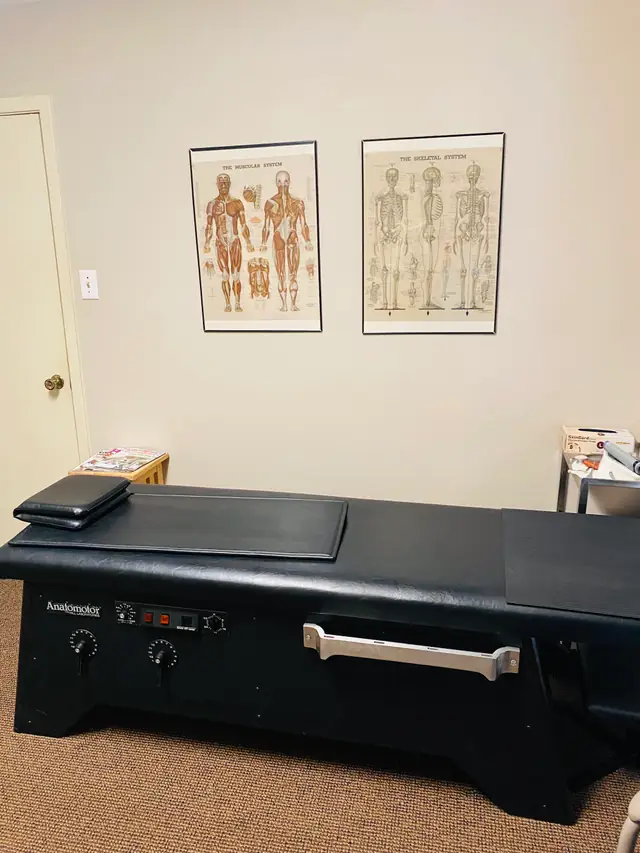
Walking into a new doctor's office is easier when you know how the visit goes. At Tyler Chiropractic, 945 S. Baxter Ave, the first visit follows a clear order: a conversation, an exam, x-rays only if they're warranted, and a plain explanation of what we found. Nothing is rushed, and nothing happens without you knowing why.
Dr. James Smith has practiced in Tyler since 1977, and his son Dr. Justin Smith joined him in 2002. Between them, they've cared for patients from infants to seniors. That range shapes how a first visit works. We don't run everyone through the same script. We start with you.
Start with a free consultation
If you're not sure chiropractic is right for you, begin with the free consultation. It's a chance to meet a doctor, describe what's bothering you, and ask the questions you've been holding onto. You can ask about technique, about how long care might take, or if your problem is something a chiropractor handles at all. There's no pressure to commit to anything on the spot.
Our office is open Monday, Tuesday, Wednesday, and Friday from 8 to 12 and 2 to 5, and on Thursday from 10 to 1. Call (903) 595-2664 and we'll find a time that fits your week.
The history and the exam
The first real step is paperwork, and it matters more than it looks. You'll fill out a health history covering why you came in, past injuries, surgeries, medications, and what your days look like. A desk job in Tyler, long drives to Dallas or Longview, years of lifting on a job site, a fall from a horse as a teenager: all of it can be relevant.
Then the doctor sits down with you and goes through it. This is where the follow-up questions come in:
- When did the problem start, and what were you doing at the time?
- Where exactly do you feel it, and does it travel into an arm or a leg?
- What makes it better or worse: sitting, standing, sleeping, driving?
- Have you been treated for it before, and what happened?
- Is anything else going on with your health that we should know about?
Be honest and specific. Small details, like pain that's worse in the morning or only on one side, often point somewhere useful.
Next comes a hands-on exam. The doctor will watch how you stand and move, check your range of motion, and feel along your spine and the surrounding muscles for tenderness, tightness, or joints that aren't moving the way they should. Depending on your complaint, there may be simple orthopedic and neurological checks, like testing reflexes or muscle strength in an arm or leg.
None of this should hurt beyond the discomfort you already have. If something does, say so. The doctor adjusts the exam to you, not the other way around.
X-rays, only when they're needed
We take x-rays at the office, but not on everyone. X-rays can show alignment, disc spacing, signs of arthritis, and older injuries, and they can help rule out things that would change the plan. When your history and exam suggest they'd help, the doctor will recommend them and explain what they're looking for. If they wouldn't add anything, you won't get them just because it's your first visit.
Some people arrive with recent imaging from an emergency room, an urgent care, or another provider. Bring a copy or the report if you have it. It can save you a repeat.
The report of findings
Once the history, exam, and any x-rays are done, the doctor sits down with you for what we call the report of findings. Many patients say this is the part they value most. You hear, in plain language, what the doctor found and what care is recommended. Expect the conversation to cover:
- What the doctor found and what it likely means for your day-to-day life
- The recommended course of care, including how often to come in at the start
- What you can do at home between visits
- Whether anything suggests you should see another kind of provider as well
That last point matters. Chiropractic isn't the answer to everything. If an exam turns up something outside our scope, we'll tell you and point you toward the right care. Numbness that's getting worse, loss of bladder or bowel control, or severe pain after a serious fall are reasons to seek medical attention right away, not to wait for an appointment.
If care is recommended, the doctor explains what an adjustment is and how it will feel, and you decide whether to go ahead. Depending on the findings, you may talk about starting at that visit or at the next one. You're always free to take time and think it over.
Getting ready to come in
A first visit takes longer than a typical follow-up because of the history and exam, so set aside enough time and wear clothes you can move in comfortably. Bring your insurance card if you have one, a list of your medications, and any recent imaging.
Tyler Chiropractic has been caring for East Texas families since 1977, and we'd be glad to meet you. Call (903) 595-2664 to book your free consultation.
Tyler Chiropractic, 903-595-2664
Call 903-595-2664More articles
Whiplash After a Car Accident: Why It Can Show Up Days Later
Neck and back symptoms often arrive after the adrenaline fades, which is exactly why an early exam helps.
Activator or Manual Adjustments? How They Differ and Who Each Suits
Two ways to reach the same goal, and why your doctor might choose one, the other, or both.